
Fleet Safety Economics
The Real Cost of a Forklift Accident — And the ROI Case for Fixing It
|
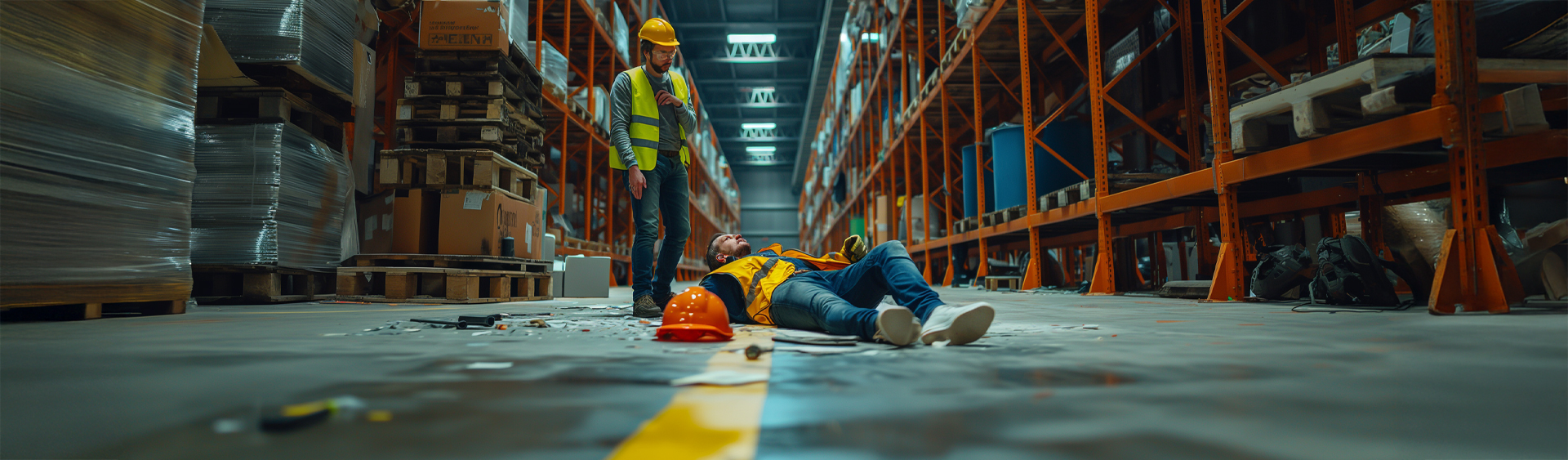
Quick answer: A single forklift collision can cost a facility up to $188,000, and a fatal incident often exceeds $1,000,000. Medical bills and repairs are less than 25% of that total — the rest is downtime, OSHA fines, and rising insurance premiums. Facilities that deploy AI vision telemetry have reported payback periods as short as 2.7 months.
Ask most operations leaders what a forklift accident costs and they’ll quote the ER bill or the repair invoice. That number is real — and it’s also the smallest part of the exposure. According to National Safety Council data, direct medical and indemnity costs make up less than 25% of the total financial loss. |
The rest hides below the surface: downtime, retraining, legal fees, OSHA penalties, and years of elevated workers’ comp premiums. Below is the full breakdown — direct vs. indirect costs, the ROI formula finance teams actually use, and a real 3-year case study from a 50-forklift facility.
The Forklift Safety Iceberg: Direct vs. Indirect Costs
Indirect expenses outweigh direct line items by roughly a 4:1 ratio — yet they’re the costs most budgets never see coming.
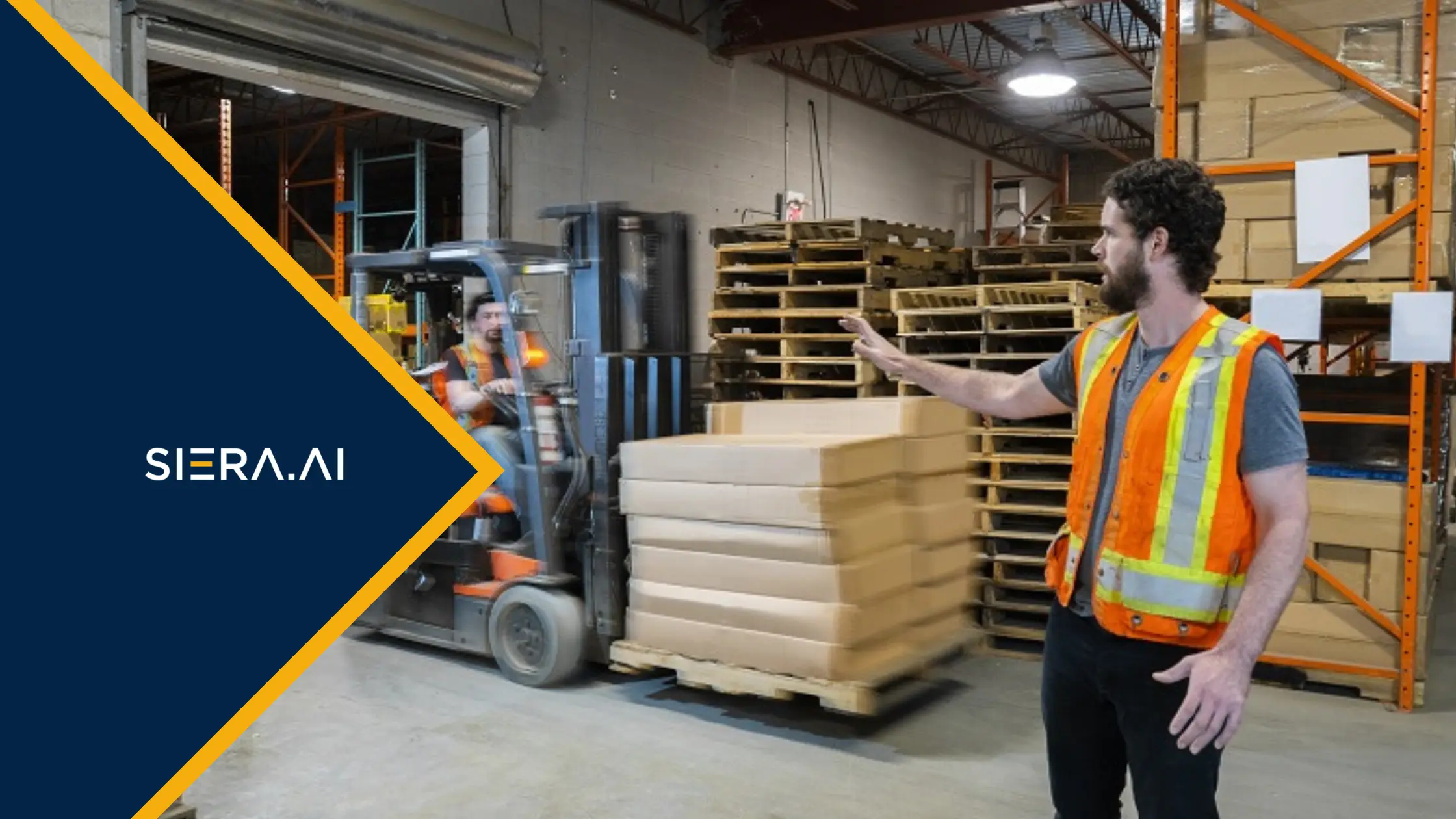
|
Surface Level — Direct Costs Emergency care & workers’ comp claims · equipment & rack repairs · immediate legal retainers
Below the Surface — Indirect Costs Operational downtime & delays · OSHA penalties & legal fees · workers’ comp premium hikes · retraining, overtime & morale loss |
Anatomy of a Single Incident
Safety and finance teams model exposure using standard NSC and OSHA multipliers. Here’s how the numbers scale by severity.
| Cost Component | Minor Collision (No Injury) | Moderate Injury (Struck-By) | Severe / Fatal Incident |
|---|---|---|---|
| Direct Medical & Claims | $0 – $1,200 | $35,000 – $48,000 | $450,000+ |
| Equipment & Asset Damage | $3,500 – $8,000 | $12,000 – $22,000 | $85,000+ |
| OSHA Penalties (2026 Rates) | $0 | $16,131 (Serious) | $161,323 (Repeat/Willful) |
| Indirect Productivity Loss | $2,500 | $45,000 | $350,000+ |
| Workers’ Comp EMR Surcharge | Minimal | $25,000/yr (3-yr impact) | $120,000+/yr |
| Total Estimated Impact | $6,000 – $11,700 | $133,131 – $151,131 | $1,166,323+ |
Building the CFO Business Case: The ROI Formula
Justifying a safety technology spend means speaking finance’s language: payback period, net savings, and annualized ROI.
|
Net Annual Safety Savings (Historical Incident Rate × Avg. Cost per Incident) − (Hardware Cost + Software Subscription) Safety ROI (%) (Net Annual Safety Savings ÷ Total Solution Investment) × 100 |
|
Case Study — 50-Forklift Distribution Facility
Year 1: Baseline vs. Post-Implementation
|
4 → 0
Major collisions/year, before vs. after
|
142
Near-misses logged & corrected
|
$146K
Net annual savings
|
347%
First-year ROI
|
2.7 mo
Full capital payback
|
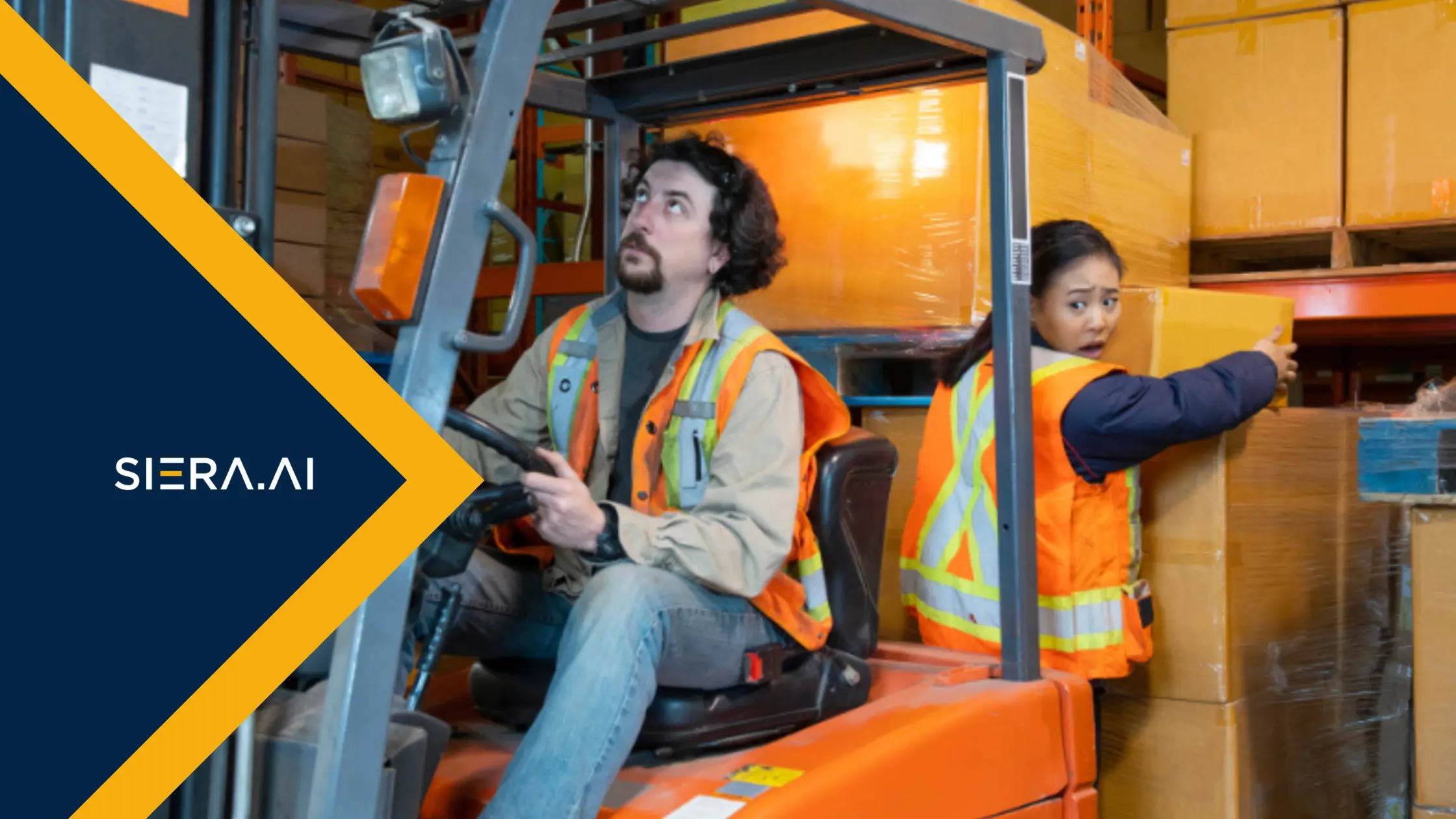
Proactive Machine Vision vs. Traditional Reactive Safety
Floor tape and paper checklists rely on operators remembering to comply. Modern AI telemetry removes that dependency.
|
|
Frequently Asked Questions
What are the main direct and indirect costs of a forklift accident?
Direct costs include workers’ compensation, medical care, equipment repairs, and legal retainer fees. Indirect costs include lost production hours, temporary labor, OSHA fines, product damage, higher workers’ comp EMR rates, and investigation downtime.
How does a forklift safety system lower workers’ comp premiums?
Insurance carriers price premiums using an Experience Modification Rate (EMR). AI vision telemetry that reduces recordable incidents lowers that EMR multiplier, which directly reduces annual policy premiums.
What’s the average ROI timeline for AI forklift safety systems?
Most high-velocity distribution hubs reach full capital payback within 2–6 months. Preventing a single moderate-to-severe collision often covers the entire fleet’s subscription and installation cost.
See What a Preventable Incident Is Really Costing You
Get a free, custom ROI estimate for AI-powered collision prevention on your fleet.
Explore Related Solutions
→ Forklift Safety System — Full Product Overview
→ Forklift Pedestrian Safety — S3 Pedestrian Detection System
About the Author
Ram Kumar, Chief Executive Officer at SIERA.AI, has spent 10 years working with forklift dealerships on fleet studies, service department workflows, and telematics rollouts. Connect on LinkedIn.