
The Complete Guide to Fleet Telemetry, Computer Vision, and Predictive Warehouse Safety Culture
The velocity of supply chain operations has reached a historical peak. Driven by automated fulfillment networks and intense delivery windows, active distribution centers are processing higher stock volumes than ever. Yet, federal and industrial audit indicators reveal that this operational speed comes with significant risks to human personnel on the floor.
According to data tracking industrial incident trends, the material handling sector faces persistent challenges in workspace safety. The combination of intense throughput schedules, heavy equipment traffic, and constant material flow keeps the overall storage industry’s accident metrics significantly higher than standard private sector averages.
For Environmental Health and Safety (EHS) professionals, these baseline figures are clear indicators that passive, legacy procedures no longer provide adequate protection. Achieving an optimized, safe workplace requires a transition from paper logs to real-time, data-driven computer vision. This comprehensive analysis evaluates core warehouse safety statistics, identifies high-risk workspace vulnerabilities, and highlights how advanced telemetry eliminates dangerous blind spots before an injury occurs.
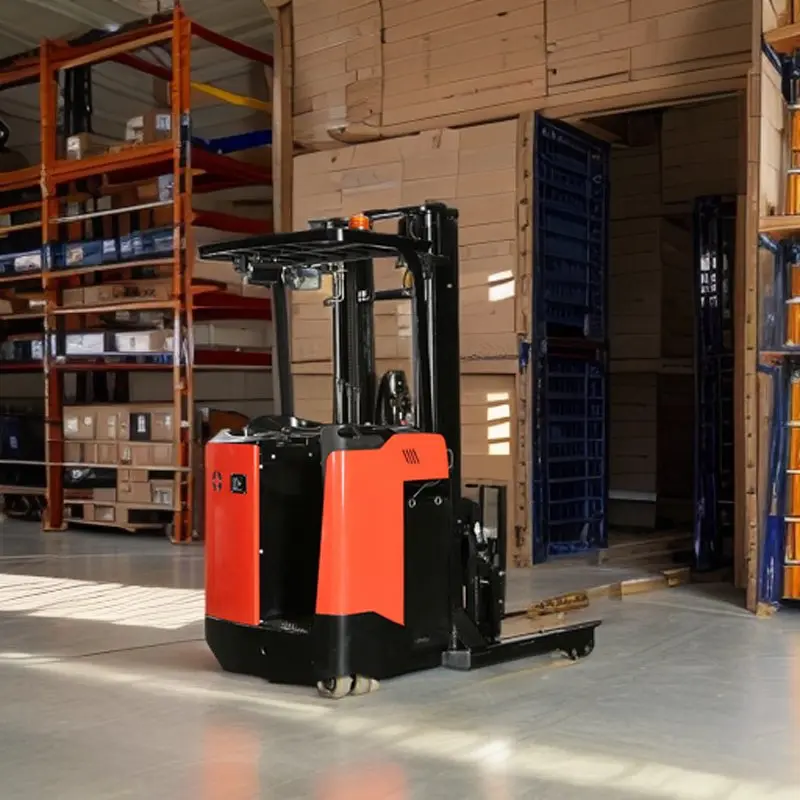
To establish an accurate benchmark for hazard reduction, facility managers must closely evaluate industrial safety logs. Recent indicators from auditing bodies outline a widening gap between logistics facility expansion and active worker protection.
Recent structural data shows that heavy industrial storage remains one of the most hazardous environments in logistics:
- Elevated Floor Incident Benchmarks: The warehouse industry reports a baseline injury and illness rate of 5.5 cases per 100 full-time employees, which is more than double the standard private sector average of 2.7 cases per 100 employees.
- The Exposure Trajectory: While the physical footprint of new fulfillment builds expanded by a modest 14% over a multi-year growth curve, the total volume of recorded warehouse injuries nearly doubled, scaling from approximately 42,500 to over 80,500 cases.
- Fulfillment Center Risk Concentration: Inside specialized high-velocity e-commerce pick-and-pack hubs, injury rates spike to 5.9 injuries per 100 workers due to rapid order cycles.
Workplace accidents are heavily concentrated around specific equipment categories and trailer interfaces:
- Forklift Fleet Risks: Material handling vehicles are involved in roughly 25% of all reported industrial storage injuries. In the United States, forklifts account for nearly 7,500 injuries and 100 fatalities annually, with vehicle overturns causing 25% of those incidents.
- Loading Dock Vulnerabilities: The shipping bay dock handles 25% of all warehouse accidents. For every single recorded loading dock injury, background telemetry logs capture an average of 600 unrecorded near-misses.
- Struck-By Machine Hazards: Falling inventory or impacts with moving equipment represent over 10% of non-fatal injuries and account for more than half of all recorded transport-sector workplace deaths.
To convert these volatile blind spots into visible data points, modern fleet managers are shifting away from manual compliance logs. Discover how to centralize your operations metrics via our tracking framework at SIERA.AI Metrics and Analytics.
The reason why industrial incident rates remain high despite increased safety spending is a structural reliance on passive or reactive equipment. Conventional safety devices are engineered to alert operators or limit injuries after a human error occurs, rather than preventing the mistake entirely.
[Hazard Develops] —> [Floor Blue Light Shines] —> [Operator Distracted] —> [Impact Occurs]
PROACTIVE TIMELINE (Active System)
[Hazard Develops] —> [Vision AI Tracks Shape] —> [Cabin Audio Alert] —> [Safe Vehicle Stop]
Passive accessories like painted floor markers, flashing blue spotlights, and acoustic backup sounders are vulnerable to sensory desensitization, commonly called alarm fatigue. In loud, crowded fulfillment hubs, operators subconsciously normalize continuous background noise and ambient lights, lowering spatial awareness.
Furthermore, structural steel guardrails and vehicle seatbelts are critical, but they are purely mitigation tools. They absorb or handle impact forces during a crash, but they cannot actively keep a multi-ton vehicle from striking a worker in an aisle.
Active accident prevention requires real-time computer vision working at the edge. Rather than encumbering warehouse personnel with specialized transponder tags or location tracking gear, intelligent vision solutions mount directly onto any material handling asset.
Advanced edge systems analyze the vehicle path every 30 milliseconds, processing live visual feeds using machine learning models. The technology instantly differentiates between an inanimate object (such as a steel rack corner or a stacked pallet) and a human worker who may be obscured, bending down, or walking.
When a pedestrian breaches a pre-configured distance buffer, the system triggers a clear audio-visual alert inside the cabin, giving the operator the vital seconds needed to brake safely. Explore the internal mechanics of these vision algorithms by viewing our product specifications at SIERA.AI Forklift Safety System.
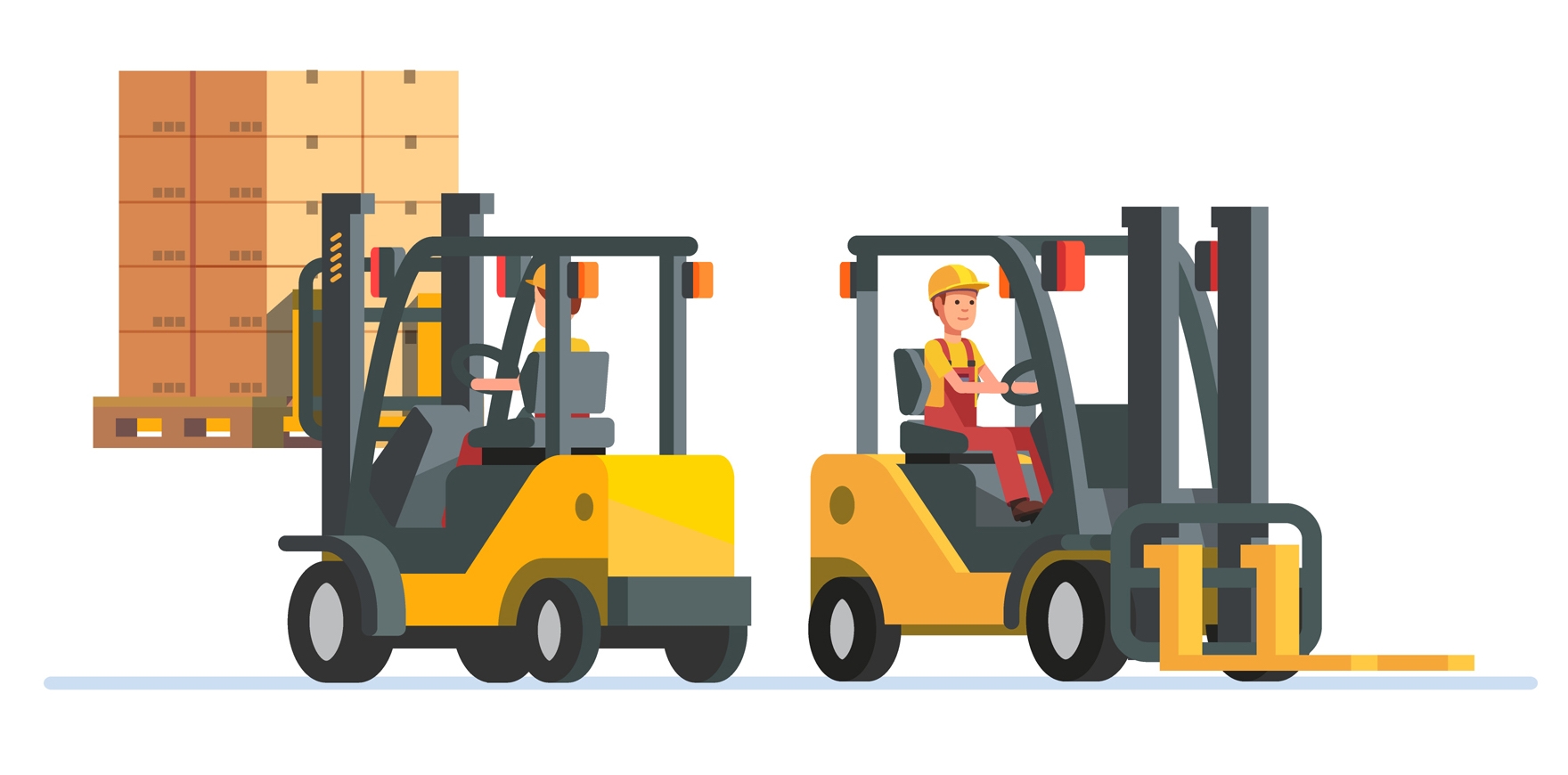
Transitioning a large-scale fleet to tech-enabled monitoring requires clear alignment between workspace protection and financial return. While safeguarding personnel is always the primary metric, automated safety systems must also support overall facility productivity.
The matrix below evaluates the long-term trade-offs between standard safety setups and advanced tracking networks.
| Performance Category | Traditional Safety Methods | Advanced AI Safety Systems |
|---|---|---|
| Operational Risk Reduction | Marginal 10% to 15% drop; entirely dependent on manual operator habits. | 35% to 40% drastic reduction via automated edge sensing. |
| OSHA Checklist Integrity | Paper logs; highly vulnerable to pencil-whipping and missing files. | Digital OSHA pre-checks with electronic ignition lockouts. |
| Near-Miss Visibility | Zero reporting; close calls go unnoticed until a collision occurs. | Automated near-miss logging uploaded instantly to the cloud. |
| Upfront Machine Footprint | Low initial cost ($1,500 – $3,000 for basic lights/signage). | Infrastructure investment ($6,000 – $12,000 per machine integration). |
| Asset Lifecycle Impact | Unrecorded impacts cause hidden fatigue, shortening vehicle lifespan. | Extended runtime; G-force impact sensors track truck abuse. |
| Insurance Underwriting | Standard commercial premiums with elevated liability risks. | 15% to 25% premium discounts verified by primary carriers. |
Transitioning to automated tracking systems eliminates hidden asset damage and expensive compliance claims. Review our deployment guides at SIERA.AI Forklift Safety to optimize your fleet footprint.
While vehicle collisions are the most acute risk on the floor, soft-tissue overexertion represents a major cause of extended worker absence. The intense speed of e-commerce order picking places significant stress on the human body.
Repetitive lifting, heavy manual material handling, and extended hours inside forklift cabins lead to notable health trends:
- Low Back Strain Patterns: Over 24% of specialized warehouse staff report chronic lower back discomfort, particularly when managing material separation or sorting tasks.
- Industry MSD Concentration: In high-volume logistics hubs, 3.3% of all active personnel suffer from recorded musculoskeletal issues, placing the sector near the top of tracking indices.
- Repetitive Motion Factors: The overall industrial rate of overexertion incidents stands at 31.8 new cases per 10,000 full-time workers annually.
|
v
[Accumulated Fatigue and Soft-Tissue Strain]
|
v
[Increased Susceptibility to Critical Fleet Accidents]
Physical fatigue directly reduces spatial awareness and slows human reaction times. When an operator is physically exhausted near the end of an extended shift, they are far more likely to overlook a crossing indicator, misjudge an aisle corner radius, or fail to spot a pedestrian stepping out from a rack lane.
Mitigating ergonomic strain through improved posture training and assistive equipment directly reduces the risk of serious material handling accidents. To read more about managing operator behavioral data, see our resource guide at SIERA.AI Forklift Pedestrian Safety.
The loading dock area is often the most complex and chaotic zone in a logistics facility. It features a constant mix of over-the-road freight trucks, incoming terminal cargo handlers, and changing outdoor light levels.
Because trailer loading zones process rapid inbound and outbound freight shifts, they have an exceptionally high hazard density. Forklifts reversing out of dark trailers regularly encounter blind spots created by staged product pallets, structural doorways, and floor debris.
Conventional mirrors and floor lines are easily blocked by stacked inventory. To ensure these spaces remain clear, facilities deploy active collision avoidance technology directly onto material handling trucks.
These vision setups form smart, dynamic boundaries around reversing vehicles. If a forklift operates too close to an un-docked trailer or an un-tagged worker crossing the bay floor, the machine triggers an immediate operator warning while capturing data on the close call. This allows EHS managers to optimize layout workflows before a collision occurs. For structured advice on managing trailer bay risks, read our guide on SIERA.AI Forklift Pedestrian Safety Systems.
Transitioning an active distribution hub from reactive incident response to proactive tracking requires a structured deployment roadmap.
To ensure long-term success with your smart safety infrastructure, prioritize these three operational steps:
- 1. Digitizing the Pre-Shift Check: Replace paper safety checklists with interactive touchscreen logs required before ignition. This confirms OSHA forklift compliance, prevents skipped inspections, and flags mechanical defects automatically.
- 2. Utilizing Proximity Warnings for Coaching: Use near-miss metrics to optimize warehouse layout workflows rather than for punitive tracking. If analytics show repeated near-misses in a specific corridor, consider widening the traffic path or adjusting the racking layout.
- 3. Securing Pedestrian Paths: Ensure your team understands that edge vision is an assistive system, not a replacement for standard facility rules. Pair advanced tech with visible floor lanes to ensure maximum protection. For more details on separating these flows, review our guide on SIERA.AI Forklift and Pedestrian Safety.
A: Traditional radar or ultrasonic sensors emit broad, uniform signals that flag any object indiscriminately, including plastic wrap, structural columns, and pallets. This causes continuous false alarms, leading to operator alarm fatigue. Modern vision-based software leverages neural networks to spot distinct human shapes, alerting the driver only when a worker enters a hazard zone. For more information, read our technical review at SIERA.AI Forklift Pedestrian Collision Avoidance System.
A: Integrated multi-axis accelerometers log the exact force, timestamp, and operator ID of any harsh braking event or physical collision with inventory or racking. This data is uploaded to a cloud dashboard, increasing driver accountability and allowing maintenance teams to inspect structural racks for hidden damage before a collapse risk develops. Discover how these vision systems process workspace data at SIERA.AI Pedestrian Detection and Forklift AI.
A: OSHA mandate 1910.178(l) requires employers to conduct a formal performance evaluation of every forklift operator at least once every three years. This evaluation must confirm that the driver can handle the equipment safely in their specific working environment. Integrating digital telemetry platforms allows facilities to automate behavior tracking, streamlining audit readiness.
Achieving consistent compliance while maintaining high throughput demands a modern approach to warehouse fleet safety. Merely tracking incidents after they happen is no longer sufficient; operations must actively prevent them. By integrating advanced machine vision, proximity tracking, and continuous data coaching, fleet operators can significantly lower accident rates, protect their workforce, and improve long-term profitability.
Ready to see how intelligent telemetry can transform your facility? Explore our complete breakdown of cutting-edge industrial technology, deployment strategies, and warehouse optimization frameworks on our main SIERA.AI Blog.