
By Ram Kumar, Chief Executive Officer at SIERA.AI · July 5, 2026 · 8 min read · Food & Beverage · Forklift Safety · EHS
The food and beverage supply chain runs on unrelenting pressure. Perishable inventory, strict FDA/HACCP hygiene rules, and razor-thin margins mean pallet-velocity is the metric every plant manager is judged on.
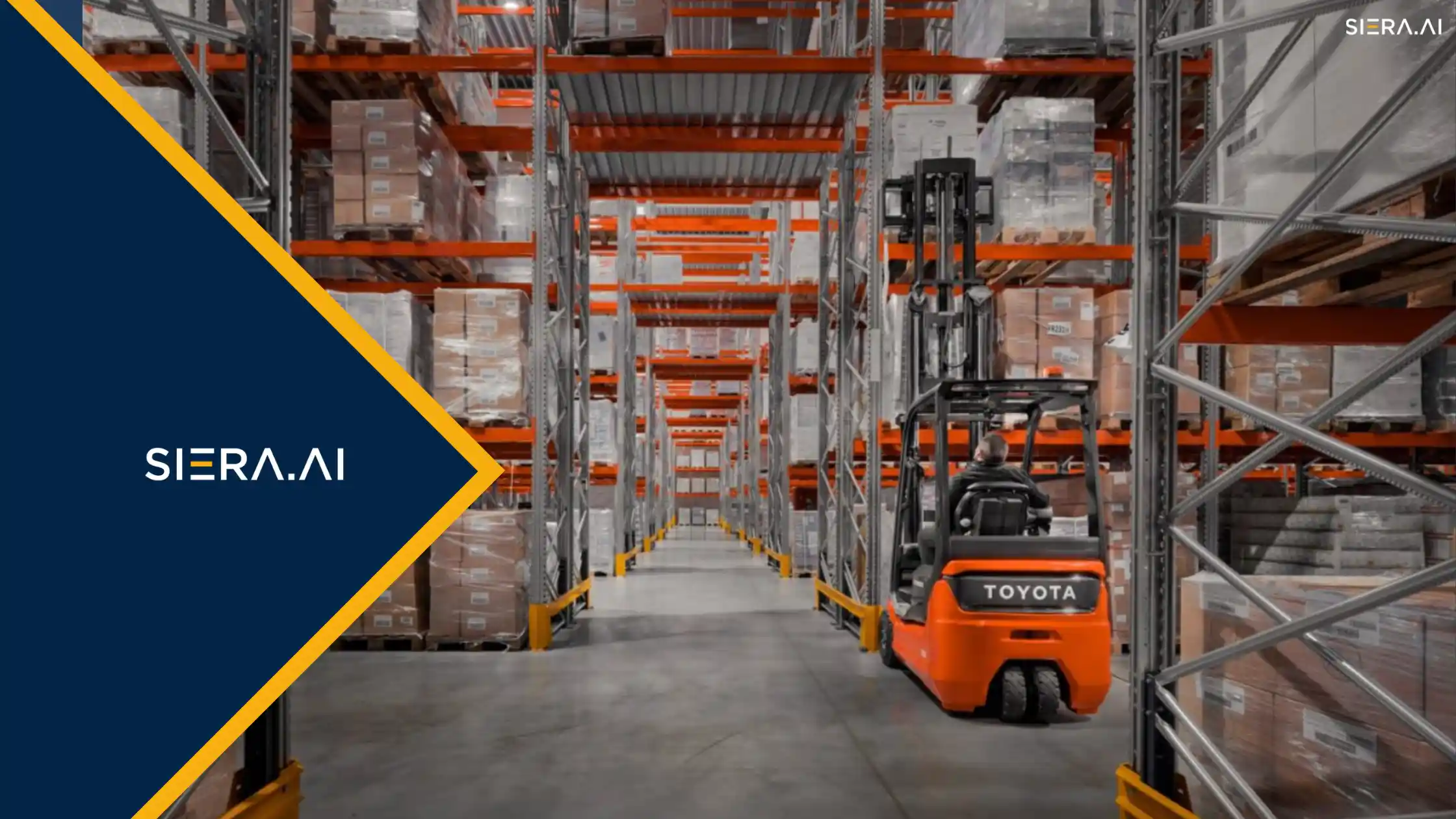
But chasing that speed often leaves one thing unaddressed until it causes a catastrophic failure: industrial lift truck safety. Food processing plants and beverage distribution centers rank among the highest-risk environments for forklift-to-pedestrian near-misses, purely from space constraints and constant foot traffic. This guide is an operational blueprint for EHS directors, plant managers, and operations executives modernizing material handling safety with structural engineering and AI — not just more signage.
|
45%
Longer braking distance on condensation-slick floors
|
3–5 MPH
Recommended max speed in pedestrian production zones
|
60ms
Edge AI pathway processing time, pallet vs. human
|
Zero
Alarm-fatigue rate on trajectory-based vision alerts
|
Why Food Warehouses Present Unique Material Handling Risks
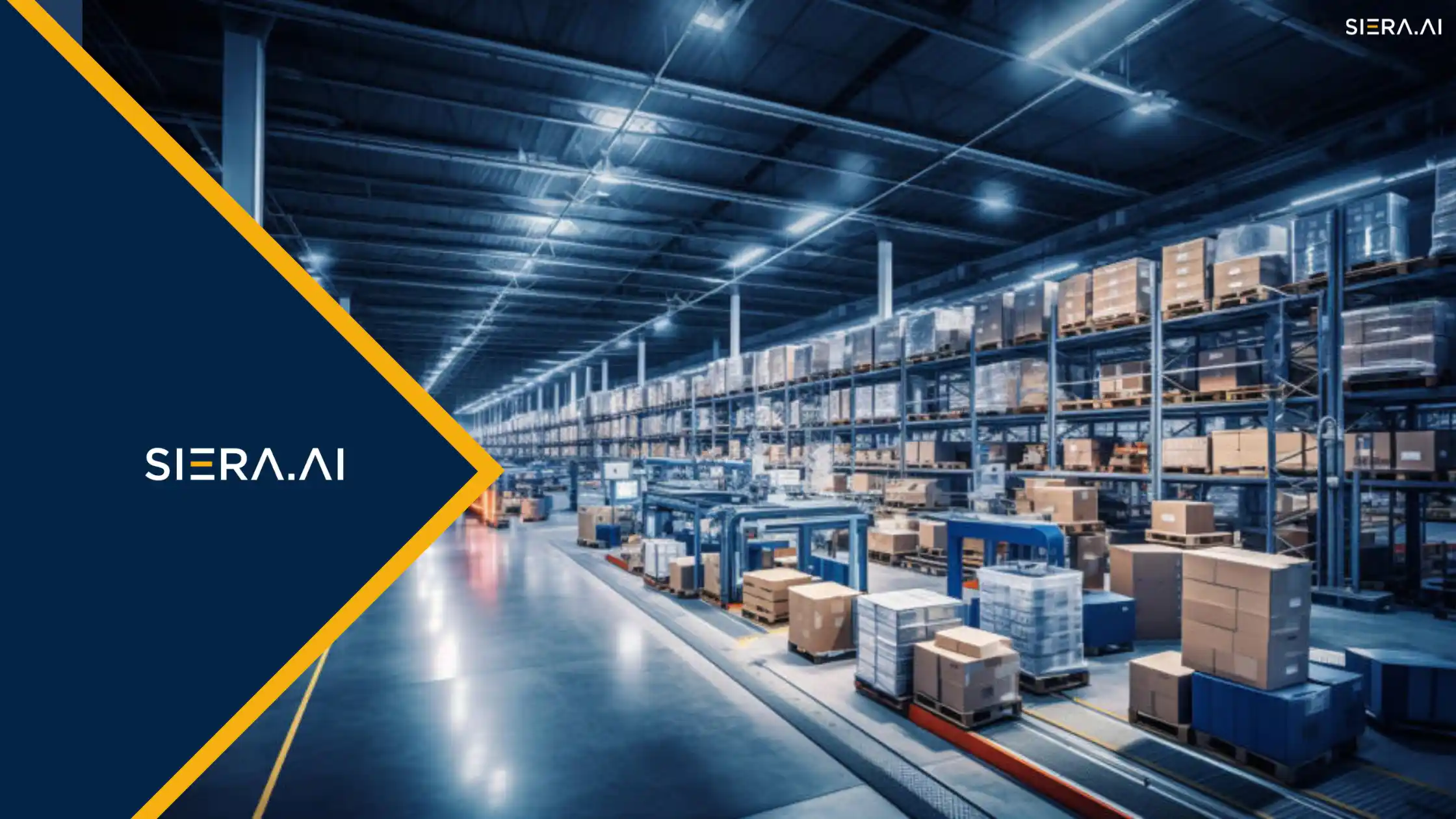 |
Material handling inside a food processing or packaging facility bears little resemblance to moving dry goods inside a standard retail fulfillment center. Food production lines are fundamentally labor-intensive — dozens of floor workers constantly move between processing zones, mixing areas, packaging lines, and staging docks. Introduce high-speed, heavy electric lift trucks into narrow aisles shared with that pedestrian traffic, and the probability of a severe impact rises sharply. On top of that, F&B facilities rank among the highest for forklift-to-pedestrian near-misses industry-wide, largely due to space constraints. Every one of those baseline risks gets compounded by the facility’s own hygiene and temperature demands. |
The Core Hazards Compounding Forklift Risk
Four specific, volatile hazards actively compound vehicle risk inside a food or beverage facility.
|
🚶
Pedestrian Density |
💧
Microclimate Condensation |
🧼
Chemical Washdowns |
⏱️
Perishable Speed Culture |
Operators under pallets-per-hour pressure often skip blind-spot checks, stop sounding horns at doorways, or travel at excessive speed through pedestrian-dense zones — not from carelessness, but because the production system rewards speed over caution.
Traditional Safety Infrastructure vs. 2026 AI Safety Technology
The core failure of traditional passive safety systems is their complete reliance on human reaction time and compliance. If a pedestrian is distracted by a handheld picking terminal, or an operator becomes desensitized to a continuously ringing alarm, the passive system fails entirely.
| Safety Technology | Operational Mechanism | Limitation in F&B | Alarm Fatigue |
|---|---|---|---|
| Passive infrastructure Mirrors, floor lights, painted lanes |
Relies on human visibility and reaction speed. | Blinded by steam, strip curtains, tight racking. | Low |
| RFID / UWB Proximity tags |
Requires all personnel to wear active tags. | No protection for visitors or forgotten badges. | Medium |
| Radar / ultrasonic Distance sensors |
Pulses measure distance to nearest object. | False alarms on static pallets, walls, pillars. | High |
| AI computer vision e.g. SIERA.AI S3 System |
Edge AI reads camera feeds in real time to recognize human forms. | Needs a clear lens — solved with sealed enclosures. | Zero |
Perishable Pressure Meets Speed Culture
|
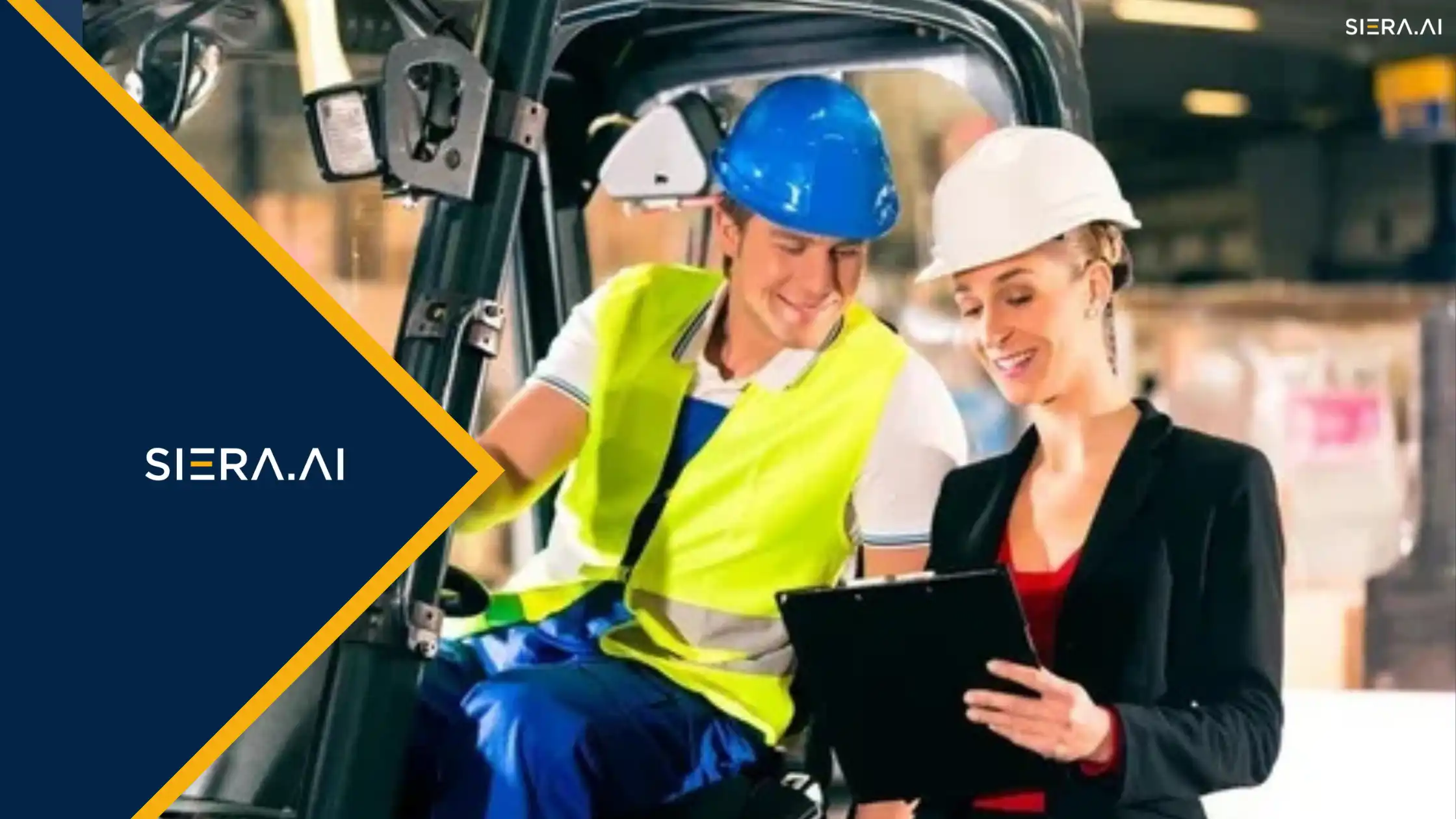
Because shelf-life clocks begin ticking the moment a product is packaged, order fulfillment in this sector is ruthlessly fast. When warehouse operators are pushed to hit aggressive pallets-per-hour targets, safe driving behaviors are frequently the first thing minimized. Operators skip checking blind spots at intersections, fail to sound horns at doorways, or travel at excessive speed through high-density pedestrian zones — under a system that rewards speed over caution. The fix isn’t slower operators. It’s engineering an environment so that one moment of human error can’t translate into a collision. |
 |
4 Pillars of Food Warehouse Material Handling Safety
To eliminate forklift collisions and reach a zero-accident standard, facilities need a centralized, data-driven safety architecture — not isolated safety projects.
| 👁️ Vision-Based Prevention Edge AI processes pathways in 60ms, separating pallets from people without alarm fatigue. |
📋 Digital Checklists Locks ignitions until operators confirm braking and safety metrics every shift. |
🚧 Geofenced Speed Limits Auto-throttles to 3mph in dense processing or cold-storage zones, full speed on main lines. |
📊 Behavior Profiling G-force and hard-braking telemetry build operator profiles for targeted training. |
“In high-velocity food warehousing, you cannot prevent incidents by simply telling operators to drive slower or be more careful. Human cognitive processing inevitably degrades over an eight-hour shift — true operational safety requires engineering the environment so that human error cannot translate into a catastrophic collision.”
— Ramkumar, Director of Product Management, SIERA.AI
Frequently Asked Questions
What is the safest speed for a forklift in a food manufacturing plant?
OSHA doesn’t mandate a specific numerical speed limit, but industry best practice in high-density F&B facilities is a maximum of 3–5 mph in active production, packaging, and pedestrian areas. In clear loading dock zones with full physical separation, speeds may scale to 7–8 mph.
How does moisture in cold storage impact forklift braking distances?
Moving from a humid production floor into a freezer creates instant condensation on both floor and tires. This drop in friction can double or triple standard braking distances — maintain at least a three-truck-length trailing gap behind other machinery or pedestrians.
Can AI forklift safety systems be retrofitted onto older, mixed-brand fleets?
Yes. Vision-based AI safety platforms operate independently of a vehicle’s drivetrain mechanics. Sensor pods, cameras, and display terminals retrofit onto any lift truck brand — Toyota, Yale, Raymond, Crown, Hyster — regardless of age, fuel source, or mechanical configuration.
Driving Fleet Efficiency Through Advanced Safety
Prioritizing forklift safety in food and beverage manufacturing does not mean sacrificing operational throughput. Facilities that leverage modern, automated safety technology see a noticeable increase in overall fleet efficiency — by eliminating the financial and operational disruption of product loss, damaged racking, asset downtime, and OSHA investigations. Upgrading to vision-based active prevention is no longer a futuristic luxury; it’s an operational requirement for modern industrial supply chains.
Transform Your Warehouse Fleet Safety Metrics
Stop reacting to workplace incidents after they disrupt your production line. Deploy real-time edge AI telemetry designed for aggressive food processing environments.
Explore Related Solutions
→ Forklift Safety System — Full Product Overview
→ Forklift Pedestrian Safety — S3 Pedestrian Detection System
About the Author
Ram Kumar, Chief Executive Officer at SIERA.AI, where he works with food and beverage manufacturers to deploy AI-powered pedestrian detection and fleet telemetry on the production floor. Connect on LinkedIn.