
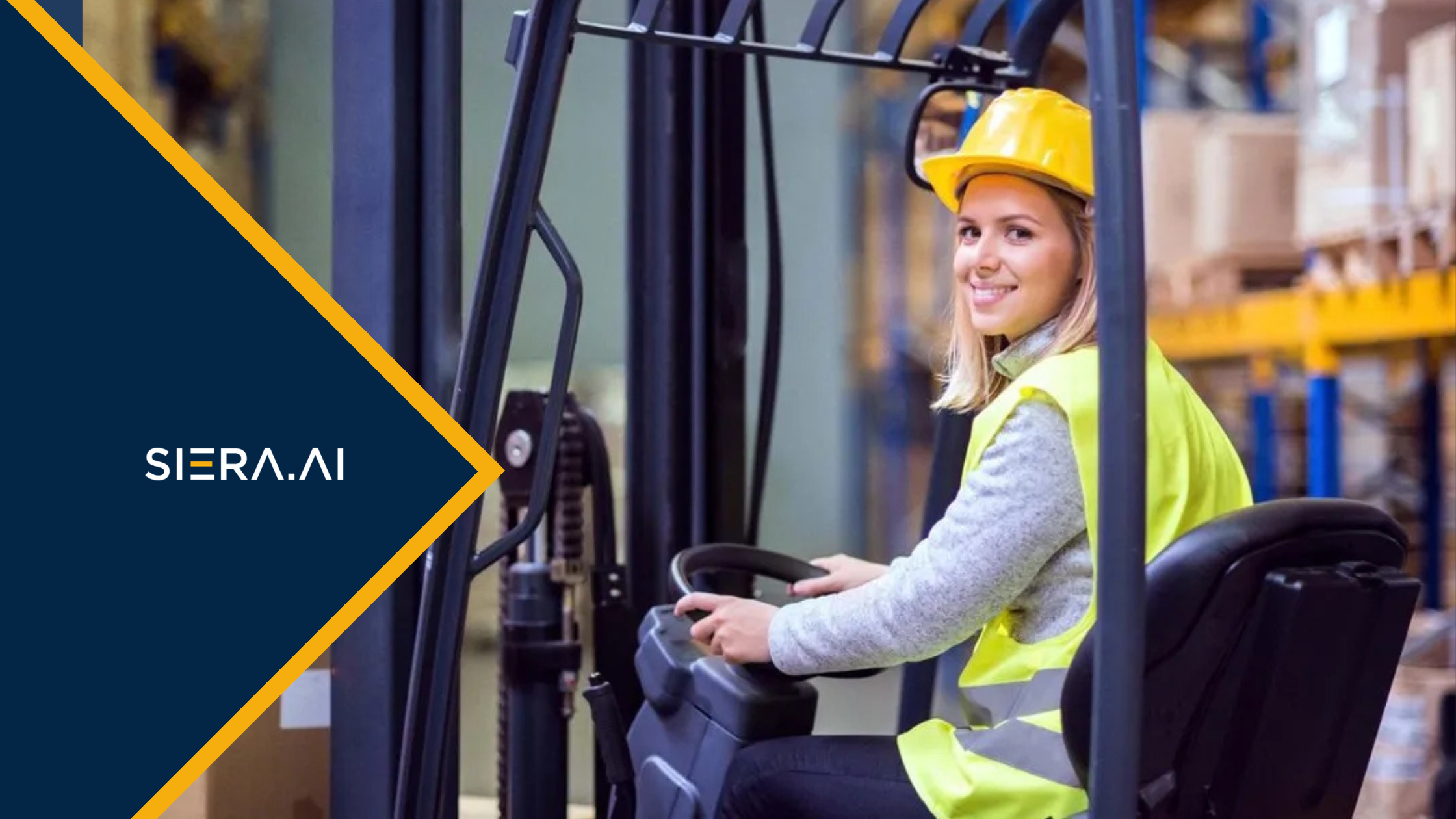
A manufacturer’s warehouse usually runs one product mix, one layout, and one trained crew. A 3PL facility rarely has that luxury — and that gap is exactly where forklift risk hides.
On any given day, a 3PL site might be picking, packing, and staging inventory for five or six different clients, each with different pallet configurations, different storage zones, and different peak-volume schedules. This guide breaks down exactly why that variability raises the stakes — and what a modern 3PL forklift safety program needs to look like in 2026.
|
35K–62K
Forklift injuries nationwide, every year
|
5–6
Client operations often sharing one 3PL floor
|
~33%
Of forklift fatalities involve a struck pedestrian
|
70%
Of forklift accidents are considered preventable
|
Why 3PL Warehouses Are a Different Risk Category
|
Layouts shift as contracts start and end. Seasonal headcount brings in drivers who may be new to that specific site, even if they’re experienced forklift operators elsewhere. That combination — variable layouts, variable inventory, and variable staffing — is what makes 3PL forklift safety fundamentally harder to manage than in a single-tenant facility. Nationally, forklifts cause between 35,000 and 62,000 injuries every year. In a 3PL facility, every one of those baseline risks gets compounded by shared floors and rotating crews. |
The Core Risk Factors
Five factors compound each other on a 3PL floor — and each one on its own is already a leading cause of forklift incidents in single-tenant warehouses.
|
🔄
High Turnover |
🏗️
Shifting Layouts |
📦
Load Variability |
|
🚶
Shared Floors, Mixed Traffic |
🗂️
Fragmented Accountability |
Forklift Risk: 3PL vs. Single-Tenant Warehouses
Side by side, the structural difference is clear: a single-tenant facility deals with variability occasionally, while a 3PL floor deals with it constantly.
| Risk Factor | Single-Tenant Warehouse | 3PL Warehouse |
|---|---|---|
| Driver familiarity | Consistent crew, same equipment | High turnover, seasonal staff, mixed equipment |
| Layout stability | Fixed racking and aisles | Layout changes as contracts rotate |
| Load variability | Predictable SKU profile | Varies by client, shift to shift |
| Pedestrian traffic | Single workforce | Multiple client teams on shared floor |
| Safety standard | One protocol, one owner | Protocols can fragment across clients |
| Incident visibility | Centralized reporting | Often siloed by client or zone |
Forklift-Specific Risks in 3PL Warehouses
|
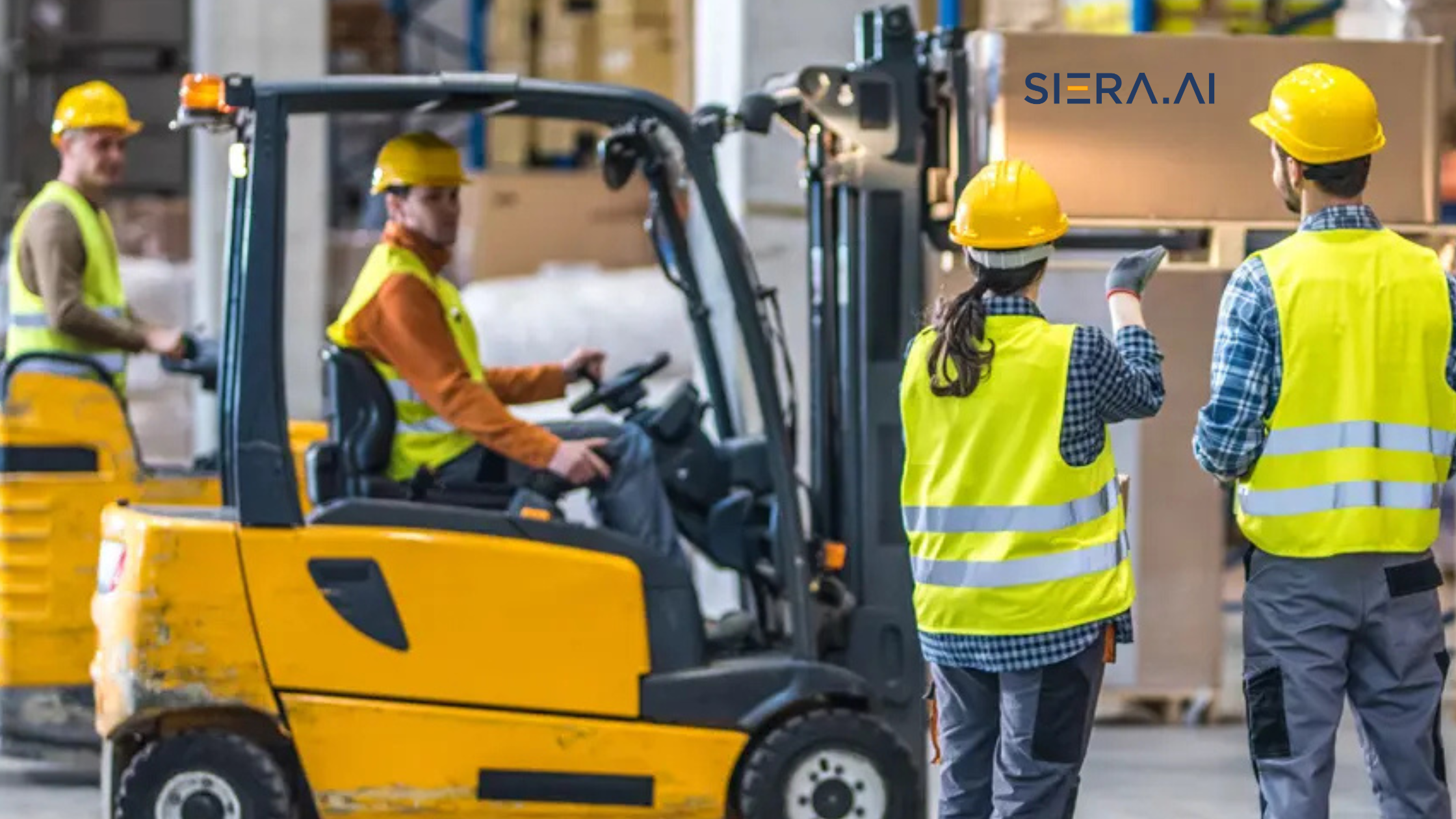
Forklifts are already one of the highest-severity risks in any warehouse. National injury data shows why 3PL forklift safety deserves its own protocol rather than a generic warehouse safety plan. These figures aren’t 3PL-specific by default — they represent forklift operations broadly, drawing on data from OSHA and the National Safety Council. But every contributing factor is measurably harder to control when a floor is shared across multiple clients and crews. |
|
| Risk Factor | National Warehouse Data | 3PL Impact |
|---|---|---|
| Forklift tip-overs | ~24–25% of all forklift accidents | Higher likelihood on layouts drivers aren’t yet familiar with |
| Pedestrian strikes | Roughly a third of forklift fatalities involve pedestrians | Worsened by mixed client foot traffic and blind cross-aisles |
| Preventable accidents | An estimated 70% could be prevented with better training | Site-specific training is frequently skipped during fast onboarding |
| Average cost per injury | Can exceed $180,000 in direct and indirect costs | Downtime on a shared floor can affect multiple client contracts at once |
How to Manage Forklift Safety Risk in a 3PL Environment
A strong 3PL forklift safety program layers several controls rather than relying on one fix.
|
🎓 Standardize Training Site-specific orientation before running a forklift in a new zone, not just a general certification check. |
👁️ Real-Time Visibility AI-powered monitoring across every zone and shift, not just the ones a safety manager happens to be walking through. |
📊 Unify Safety Data One dashboard across all clients and zones so patterns — like near-misses clustering in one aisle — don’t get missed. |
|
✅ Automate Pre-Shift Checks Digital checklists remove paper-trail gaps from rotating drivers and create a verifiable compliance record for OSHA. |
🚧 Adaptive Pedestrian Zones Geofencing and zone-based alerts that re-evaluate walkways as racking and traffic patterns shift with each new contract. |
How AI-Powered Safety Technology Helps Across a Multi-Client Floor
Manual spot-checks and after-the-fact incident reports don’t scale across a facility running multiple client operations at once. Traditional tools depend on a safety manager or driver noticing something in the moment — and on a 3PL floor, no one person can cover every zone.
SIERA.AI’s forklift pedestrian safety Vision AI monitors forklift-pedestrian proximity, detects near-misses at blind corners, and flags unsafe speed or load handling as it happens — independent of which client’s freight is being moved.
Paired with the metrics and analytics dashboard, it closes the gap that client-siloed reporting leaves behind, so a layout problem shows up as a pattern instead of a string of one-off incidents.
Frequently Asked Questions
What makes forklift safety harder in 3PL warehouses than in other facilities?
3PL warehouses combine high driver turnover, frequently changing layouts, and multiple clients’ inventory on one floor, which together create more variability — and more risk — than a single-tenant facility with stable staffing and layout.
How often should 3PL forklift operators be retrained?
Beyond standard certification renewal (typically every three years under OSHA guidance), operators should get a site-specific refresher any time they’re assigned to a new zone, equipment type, or client account within the facility.
Can AI safety systems work across multiple clients on one warehouse floor?
Yes. A zone- and site-wide monitoring system tracks forklift and pedestrian activity across the whole facility, independent of which client’s freight is being moved, so safety coverage doesn’t fragment along client lines.
What’s the biggest cause of forklift-pedestrian incidents in shared 3PL floors?
Blind corners and cross-aisle intersections where forklift travel lanes and pedestrian routes overlap are consistently among the highest-risk points, especially as layouts shift with new client contracts.
The Bottom Line
3PL warehouses can’t rely on the same forklift safety playbook as single-tenant facilities. The variability in staffing, layout, and inventory is structural, not occasional, so the safety system has to be built for constant change.
SIERA.AI’s Vision AI pedestrian detection and telemetry dashboard cover every zone the same way, regardless of which client’s freight is moving through it — no client-by-client gaps, no fair-weather exceptions.
Ready to Unify Forklift Safety Across Every Client Zone?
Get a free, custom quote — real-time monitoring built for high-turnover, multi-client warehouse floors.
Explore Related Solutions
→ Forklift Safety System — Full Product Overview
→ Forklift Pedestrian Safety — S3 Pedestrian Detection System
About the Author
Ram Kumar, Chief Executive Officer at SIERA.AI, has spent 10 years working with forklift dealerships on fleet studies, service department workflows, and telematics rollouts. Connect on LinkedIn.