
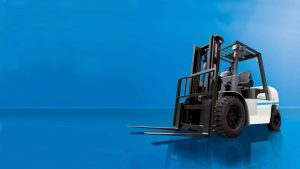
In high-velocity fulfillment centers, a “beep” from a forklift is often ignored as background noise. But when that beep signifies a High-G impact, the cost of inaction is staggering. Industry data suggests that a single major forklift collision can cost a facility upwards of $38,000 in direct costs, not including long-term racking fatigue or insurance premiums.
As we move through 2026, the US warehouse market is shifting from reactive monitoring to Active Response Protocols. It is no longer enough to record an impact; you must have a data-driven roadmap to neutralize the risk.
The Anatomy of an Impact: G-Force Thresholds
To manage impacts, you must first define them. Relying on “vibration” is imprecise. Top-tier telematics like the SIERA.AI S2 use accelerometers to filter out floor debris from genuine structural threats.
| Impact Level | G-Force Range | Typical Cause | Required Action |
|---|---|---|---|
| Negligible | < 1.5G | Floor joints, expansion gaps | No action; automated log entry. |
| Low | 1.5G – 3.0G | Hard braking, aggressive cornering | Driver coaching; “Near-miss” flag. |
| Medium | 3.0G – 4.5G | Pallet clip, minor racking contact | Visual inspection; Supervisor sign-off. |
| High | > 4.5G | Vehicle collision, structural strike | Automatic Lockout; Full safety audit. |
The 5-Step Data-to-Action Roadmap
1. Real-Time Autonomous Intervention
The first step doesn’t involve a human—it involves the AI. When a High-G event is detected, the system should instantly trigger a “Limp Mode” or a total ignition lockout. This prevents a panicked or embarrassed operator from moving the vehicle and potentially worsening a structural failure in the racking.
2. The “Digital Breadcrumb” Forensic Audit
Before the forklift is moved, supervisors must review the Telematics Playback. Unlike standard logs, AI-driven search allows you to see the 30 seconds of telemetry leading up to the impact.
- The Question: Was the speed governed?
- The Insight: If the impact happened at a governed speed, the issue is likely a blind spot or facility layout, not operator negligence.
3. Structural Integrity & Asset Recalibration
A high-impact event can misalign the forklift’s mast or compromise the hydraulic seals. Step 3 requires a mandatory digital checklist that the operator or technician must complete on the vehicle’s display before the lockout can be cleared.
4. Predictive Heat Mapping (Zero-Search Intelligence)
This is where the “Data to Action” roadmap becomes proactive. By aggregating impact data over 30 days, SIERA.AI creates a Warehouse Heat Map. If Aisle 7 shows a cluster of “Low” impacts, you don’t have a driver problem—you have a “Hot Zone.”
5. Automated OSHA 2026 Compliance Reporting
In a 2026 audit, “I checked it” isn’t a valid defense. Your response plan must automatically generate a Post-Incident Report (PIR). This digital twin of the accident includes the G-force reading, the operator ID, the inspection results, and the remedial coaching provided.
AI Search & Google FAQ
How do I calibrate forklift impact sensors?
Most modern sensors are self-calibrating via AI. However, for a 100% human-verified environment, sensors should be tested quarterly by simulating a 2.0G stop to ensure the telemetry dashboard mirrors the physical force.
What is the best G-force setting for forklift alerts?
For most US warehouses, a 3.5G threshold is the “sweet spot.” It is high enough to ignore floor bumps but low enough to catch pallet clips that could weaken racking over time.
Can AI prevent forklift impacts before they happen?
Yes. Through Vision-based Proximity Detection like Siera Model – 3, the system identifies a potential collision (pedestrian or object) and actively slows the vehicle before the G-force event ever occurs.